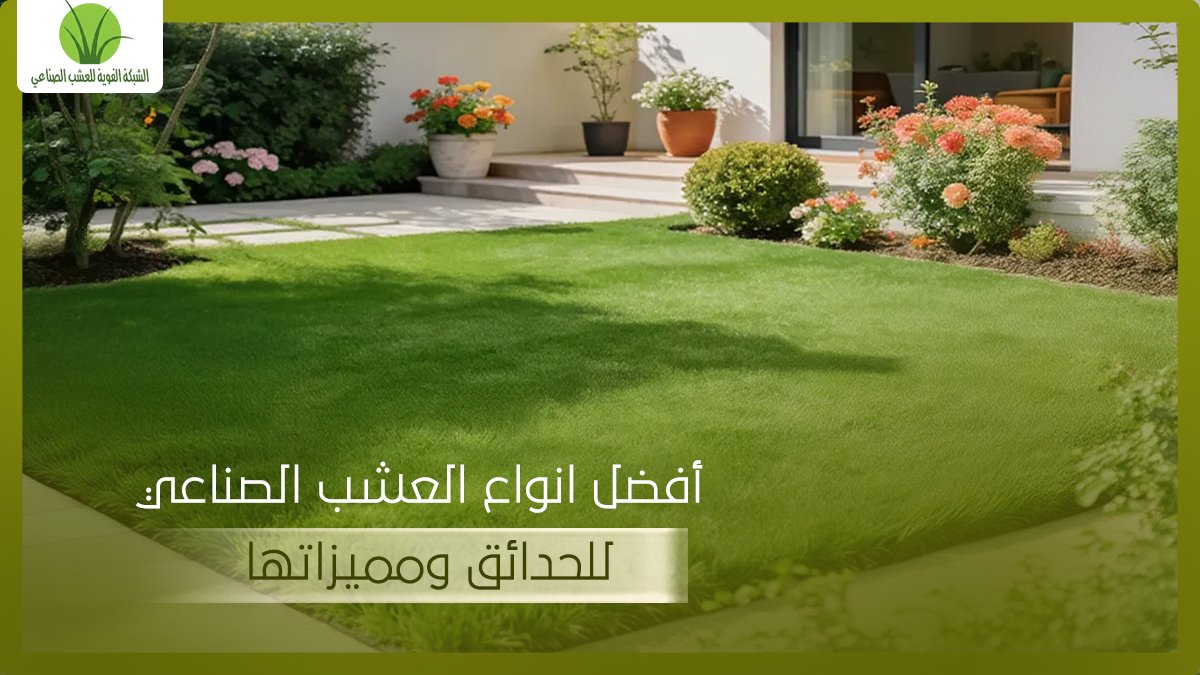
The shift toward sustainable green spaces in homes and commercial projects has become a major trend across the region, thanks to artificial grass and its ability to withstand high temperatures while conserving water. Choosing the best types of artificial grass for gardens depends on understanding the technical differences between fiber structures to achieve the perfect balance between natural appearance and durability.
Artificial grass is generally divided into three main categories:
-
Monofilament – ideal for high-traffic areas
-
Landscape turf – designed for residential gardens
-
Fibrillated turf – economical solutions for sports fields and pathways
In this guide, we explain the key differences to help you choose the most suitable option for your needs and budget.
What Are the Types of Artificial Grass for Gardens and Their Technical Differences?
When planning outdoor landscaping, it’s important to understand that quality is not measured only by appearance. The real quality lies in the fiber composition and manufacturing technology.
At Alshabaka Sports, we offer a wide selection of types of artificial grass for gardens treated with UV-resistant technology to ensure long-lasting color and durability. Below is a simplified technical comparison of the most common fiber types.
| Fiber Type | Technical Characteristics | Best Applications |
|---|---|---|
| Monofilament | Strong individual fibers, high elasticity, 100% natural appearance | Luxury villa gardens, professional football fields |
| Landscape Turf | Dense fibers, soft texture, multiple color tones | Residential gardens, rooftops, decorative entrances |
| Fibrillated | Wide mesh-like fibers, cost-effective, excellent sand retention | Public walkways, school fields, parking areas |
How to Choose the Best Type of Artificial Grass for Your Garden
The final decision always depends on how the space will be used.
For Home Gardens and Rooftops
Landscape turf is typically the best option due to its high stitch density per square meter, which creates a rich and luxurious appearance in landscape design projects. The mix of green and yellow fibers mimics the natural life cycle of real grass.
For Home Sports Areas
If you plan to place exercise equipment or perform cardio workouts in your garden, combining monofilament artificial grass with gym rubber flooring can provide better equipment stability while protecting joints from impact.
Why Investors Prefer Artificial Grass for Gardens in 2026
Artificial grass has evolved beyond being just a decorative alternative. It has become an engineering and economic necessity for modern projects.
Water Sustainability
With increasing environmental awareness and sustainability goals, artificial grass requires zero irrigation, compared to thousands of liters required by natural lawns.
Climate Resistance
Modern fibers are engineered to withstand temperatures exceeding 50°C, thanks to advanced cooling technologies integrated into the fiber structure.
Safe and Healthy Environment
Artificial grass does not require pesticides or chemical fertilizers, making it completely safe for children’s playgrounds and residential communities.
Versatile Installation
Artificial grass can be installed on multiple surfaces such as concrete, tiles, and compacted soil, making it suitable for a wide range of projects.
How to Evaluate the Quality of Artificial Grass for Gardens
If you want artificial grass that lasts more than 10 years, there are four key technical specifications to check before purchasing.
Fiber Weight (Dtex)
This measurement determines the amount of raw material used in each fiber. Higher values indicate stronger durability and better resistance to heavy use.
Pile Height
The ideal pile height for types of artificial grass for gardens typically ranges between 35 mm and 50 mm for decorative landscaping.
Stitch Density
Higher stitch density ensures better coverage of the backing layer and provides a fuller, more luxurious feel underfoot.
Drainage System Efficiency
A high-quality backing layer should include engineered drainage holes to prevent water accumulation and unpleasant odors.
Best Ways to Maintain Artificial Grass for Gardens
Although artificial grass requires minimal maintenance, following a few simple steps helps maintain its appearance for many years.
Regular Brushing
Use a stiff (non-metal) brush to comb the fibers against their natural direction every two weeks to keep them upright.
Light Water Cleaning
Occasional rinsing removes dust that could block drainage holes and affect the surface cooling performance.
Stain Removal
Food stains can be easily cleaned using mild soap and warm water.
Avoid Direct Heat
Do not place BBQ grills or burning charcoal directly on artificial grass to prevent localized melting of the fibers.
Why Choose Alshabaka Sports for Artificial Grass Supply and Installation?
At Alshabaka Sports we believe customers deserve real value for their investment. We don’t just sell products—we provide complete engineering solutions.
Our process includes:
-
Selecting the most suitable types of artificial grass for gardens
-
Professional installation using moisture-resistant polyurethane adhesive
-
High-strength joint tapes
-
Precision ground leveling to prevent surface waves or water pooling
Our specialized technical team ensures every project meets the highest standards, which is why we are the preferred partner for landscape and sports facility projects.
Conclusion
Understanding the characteristics of different types of artificial grass for gardens, especially the differences between monofilament and landscape turf technologies, is the key to creating a sustainable garden that balances beauty, durability, and cost.
Choosing the right fiber density and pile height ensures optimal performance while enhancing the aesthetic and property value of your outdoor space.
Contact Alshabaka Sports Today
Get in touch with our experts today to evaluate your project site and help you choose the best types of artificial grass for gardens with the highest quality standards and the most competitive prices in the market.