How often have you noticed your garden losing its appeal even though you water it regularly?
In many cases, the problem is not a lack of water but the absence of a clear maintenance and development plan. Over time, plants, irrigation systems, and green spaces are affected by weather conditions and daily use, making regular care essential rather than simply a cosmetic choice.
That is why Garden Maintenance and Development plays a key role in preserving green spaces, improving irrigation efficiency, and extending the lifespan of plants and landscape features. Whether you own a home garden, a villa garden, or a commercial landscape, choosing the right maintenance plan helps keep your outdoor space in excellent condition throughout the year.
Why Is Garden Maintenance and Development Essential?
Garden Maintenance and Development focuses on keeping plants healthy, enhancing the garden's appearance, and maintaining efficient irrigation systems all year round.
Regular maintenance helps to:
- Keep trees and shrubs healthy.
- Improve the appearance of green areas.
- Detect issues before they become major problems.
- Reduce water consumption through irrigation system inspections.
- Extend the lifespan of plants and landscape elements.
For this reason, many residential and commercial properties rely on scheduled Garden Maintenance and Development services instead of waiting for issues that require costly repairs.
What Is the Difference Between Garden Maintenance and Garden Development?
The table below highlights the key differences between the two services.
|
Aspect |
Garden Maintenance |
Garden Development |
|
Purpose |
Preserve the garden through routine maintenance. |
Improve and redesign the garden to meet current needs. |
|
Scope of Work |
Lawn mowing, tree pruning, fertilization, pest control, and irrigation system inspections. |
Landscape redesign, plant replacement, irrigation upgrades, and adding features such as lighting, pathways, or outdoor seating. |
|
When Is It Needed? |
When the goal is to maintain plant health and the overall appearance. |
When the garden no longer meets functional or aesthetic requirements. |
|
Result |
Preserves the garden and reduces future maintenance issues. |
Improves functionality, maximizes space, and refreshes the landscape. |
Ultimately, the need for Garden Maintenance and Development depends on your garden's condition and your goals. Routine maintenance is sufficient for healthy gardens, while development is the better option when the landscape no longer meets your needs.
What Does Residential Garden Maintenance Include?
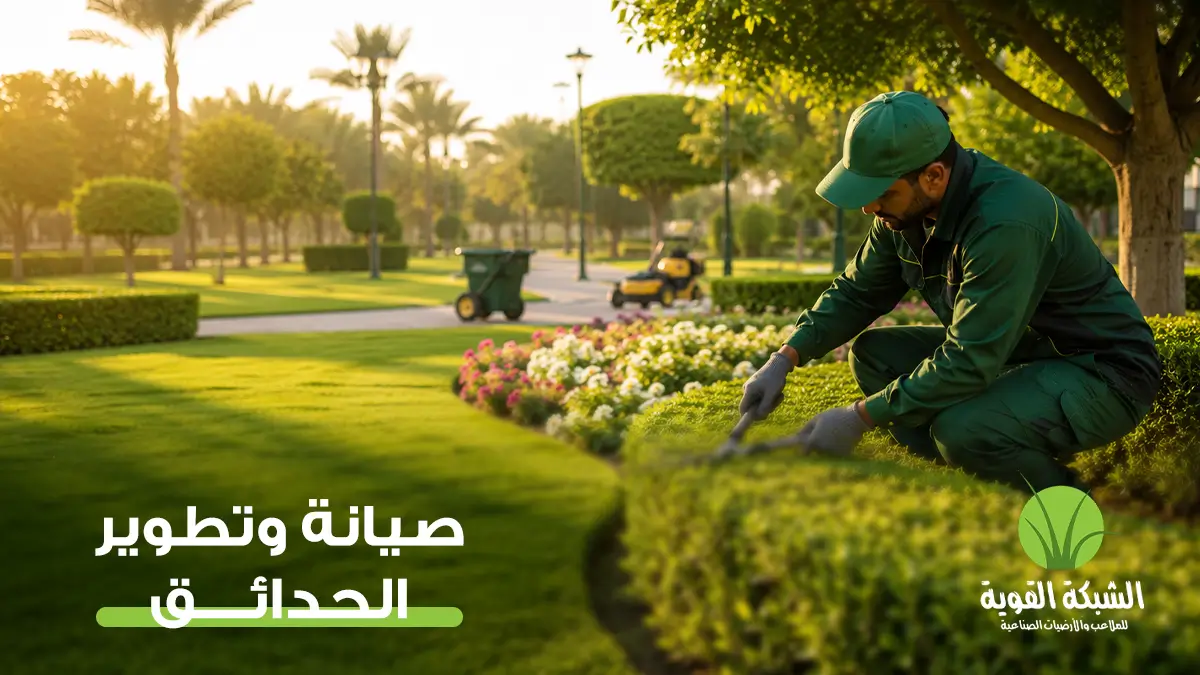
The scope of Residential Garden Maintenance depends on the size of the garden and the type of plants, but most maintenance programs include essential services that help preserve the landscape.
These services typically include:
- Lawn mowing and edging.
- Tree and shrub pruning.
- Weed removal.
- Fertilizing plants according to their needs.
- Irrigation system inspection and maintenance.
- Cleaning planting beds and walkways.
- Replacing damaged plants when necessary.
- Pest and disease control.
These tasks do more than improve appearance. They also reduce the risk of plant damage and ensure balanced water distribution, helping maintain the garden's quality over the long term.
How Does Garden and Green Space Maintenance Protect Plants?
Healthy plants depend on several factors, including soil quality, efficient irrigation, fertilization, and timely pruning. Therefore, Garden and Green Space Maintenance involves much more than visible landscaping work. It includes monitoring every factor that affects plant growth and long-term health.
For example, a partially blocked irrigation line can leave some plants dry, while overwatering other areas may lead to root rot. Likewise, neglected pruning can reduce airflow and sunlight, affecting plant growth over time. Regular Garden and Green Space Maintenance helps identify these issues early and resolve them before they affect the overall landscape or require plant replacement.
When Does a Garden Need Development Instead of Maintenance?
In some situations, routine maintenance is no longer enough to restore a garden's functionality, making development the better solution.
Common signs include:
- Plants continue to decline despite regular care.
- An outdated or inefficient irrigation system.
- Poor use of available outdoor space.
- Deteriorating green areas.
- Changes in how the garden is used or the needs of the property owner.
When these signs appear, garden development offers a more effective long-term solution by addressing the root cause rather than the symptoms.
How to Choose the Right Garden Maintenance and Development Company
The success of Garden Maintenance and Development depends on choosing a company that begins with a proper site assessment and creates a maintenance plan based on your garden's specific needs.
When comparing service providers, consider the following:
- Experience in Garden and Green Space Maintenance.
- A qualified team specializing in landscaping and irrigation.
- Modern equipment that minimizes damage to plants.
- A clear and scheduled maintenance plan.
- Irrigation system inspections before any development work.
- Commitment to regular maintenance visits.
- Solutions designed for Saudi Arabia's climate.
One indicator of experience is a proven track record of completed projects. For example, Al Shabaka Al Qawiya has delivered projects such as the Ministry of Defense Project in Hafar Al-Batin (Parks and Sports Fields), demonstrating its ability to manage large-scale maintenance and development work.
Choosing the right company should not be based on price alone. The right expertise helps preserve your landscape while reducing future maintenance costs through well-planned solutions.
What Mistakes Shorten the Life of a Garden?
Many garden problems result from repeated maintenance mistakes rather than the age of the plants. Avoiding these issues is an important part of Garden Maintenance and Development.
Common mistakes include:
- Overwatering or underwatering plants.
- Neglecting irrigation system maintenance.
- Delaying tree and shrub pruning.
- Using unsuitable fertilizers for the soil or plants.
- Waiting too long to treat pests and diseases.
- Selecting plants that are not suited to the local climate.
- Ignoring regular Garden and Green Space Maintenance.
Avoiding these practices helps keep plants healthy, reduces the need for replacements, and extends the life of your landscape.
Why Is Regular Maintenance an Investment Rather Than an Expense?
Many property owners believe postponing maintenance saves money, but neglecting a garden often leads to higher repair costs later.
Regular maintenance helps:
- Detect issues before they become serious.
- Maintain irrigation system efficiency.
- Reduce water consumption.
- Extend the lifespan of trees and green spaces.
- Preserve the property's visual appeal.
- Minimize the need for major landscape repairs.
For this reason, Residential Garden Maintenance is a long-term investment that protects your landscape while lowering unexpected maintenance costs.
How Does Maintenance Protect Green Spaces During Saudi Arabia's Summer?
High summer temperatures in Saudi Arabia place additional stress on gardens, making Garden and Green Space Maintenance even more important.
Key maintenance practices include:
- Adjusting irrigation schedules to match seasonal temperatures.
- Regularly inspecting irrigation systems.
- Pruning damaged plant parts.
- Applying fertilizer at the appropriate time.
- Replacing plants that can no longer tolerate local conditions.
- Monitoring for pests and plant diseases.
Specialized organizations also recommend efficient irrigation practices and selecting plants suited to the local environment to conserve water and support sustainable landscaping.
For more guidance on irrigation efficiency and plant care, you can refer to the resources published by the Saudi Ministry of Environment, Water and Agriculture and the educational materials provided by the International Society for Horticultural Science (ISHS).
التاالت
Why Is Planning the Foundation of Successful Garden Maintenance and Development?
Successful Garden Maintenance and Development begins with evaluating the garden's condition and creating a plan tailored to its actual needs. Every landscape is different in terms of size, soil type, plant selection, and how the space is used.
A proper assessment makes it easier to identify priorities, whether that involves improving the irrigation system, restoring green areas, or reorganizing plant layouts. This approach delivers better results while helping the garden remain healthy for years to come.
If you are planning to renovate or upgrade your outdoor space, you can also read our article Sports Fields and Garden Surface Maintenance: Key Steps to Preserve Quality.
If you are looking for professional Garden Maintenance and Development services, Al Shabaka Al Qawiya provides practical solutions tailored to your site's needs, helping you maintain a healthy and attractive landscape throughout the year.
Frequently Asked Questions About Garden Maintenance and Development?
Who is responsible for public parks?
Public parks are typically managed by the relevant municipal authorities or government agencies responsible for public landscape maintenance.
What services are included in garden maintenance?
Garden maintenance services typically include lawn mowing, pruning, irrigation, weed removal, fertilization, pest control, and routine irrigation system maintenance to keep outdoor spaces in excellent condition.
What are garden maintenance projects?
Garden maintenance projects involve comprehensive landscaping services such as pruning, fertilization, irrigation, pest control, lawn restoration, and ongoing care designed to preserve the health and appearance of green spaces.