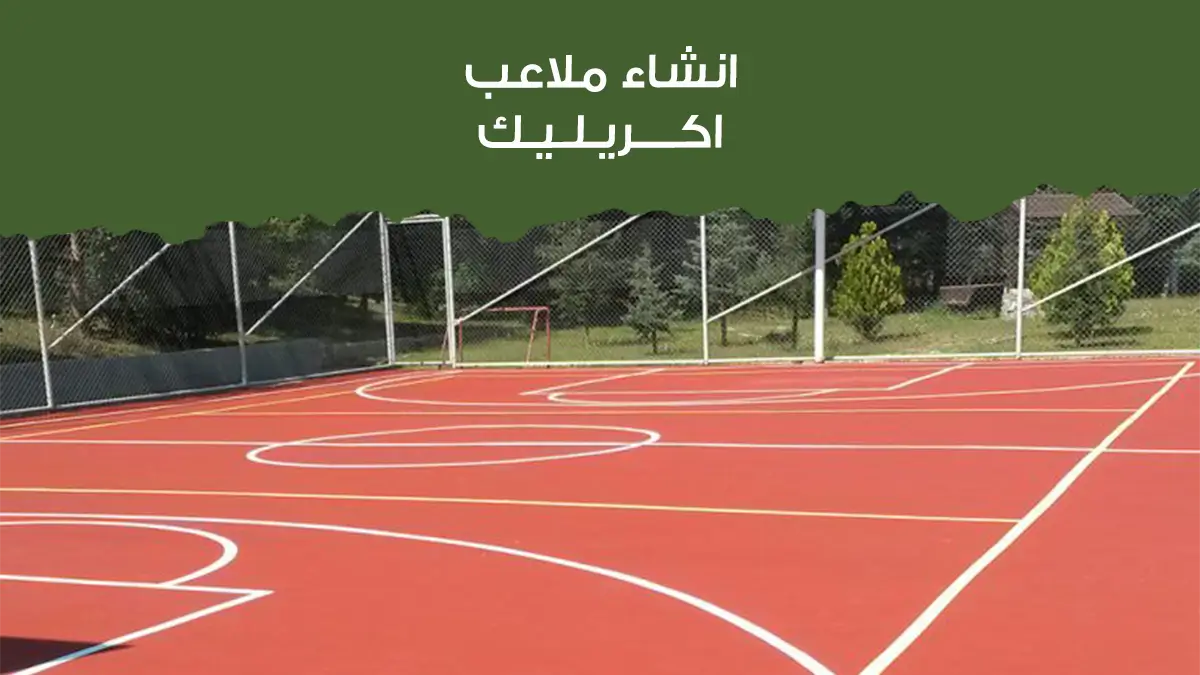
Building acrylic sports courts has become one of the most advanced solutions in modern sports facility construction. With the growing demand for durable, high-performance courts that can withstand intensive use, acrylic flooring systems now offer the perfect balance between safety, durability, and professional athletic performance.
Thanks to continuous innovation in acrylic court installation techniques, the focus is no longer only on the final appearance — but on the engineering quality of every layer, from the base preparation to surface finishing. Choosing the right type of acrylic flooring system is also a critical factor, as different systems vary in flexibility, shock absorption, and suitability for various sports.
Why Acrylic Sports Courts Are a Smart Investment
Acrylic sports court construction has become increasingly popular in schools, clubs, and sports academies due to its strong operational advantages compared to traditional surfaces.
Key benefits include:
- High resistance to heavy daily use
- Weather resistance in different conditions
- Lower maintenance costs
- Safe surface that reduces injuries
- Consistent professional appearance
This type of surface is widely used for tennis, basketball, volleyball, and multi-purpose sports courts.
1. Concrete Base Preparation (The Foundation of Success)
Every successful acrylic court starts with a properly prepared concrete base — the most critical stage in the entire process.
This includes:
- Precise surface leveling
- Repairing cracks and gaps
- Adjusting drainage slopes
- Removing dust and impurities
Any mistake at this stage directly affects the quality and lifespan of the acrylic surface.
2. Applying Waterproofing and Surface Treatment Layers
This stage is essential for protecting the court structure.
It helps prevent:
- Moisture penetration
- Surface cracking
- Thermal expansion damage
- Water leakage issues
These layers ensure long-term stability and maintain consistent sports performance even under heavy usage.
3. Primer Layer (The Secret to Strong Adhesion)
The primer layer is applied to strengthen the bond between the concrete base and the acrylic system.
It helps:
- Prevent surface peeling
- Improve adhesion strength
- Enhance surface durability
- Ensure a professional finish
This step is essential in any high-quality acrylic sports court project.
4. Installing Acrylic Base Layers
This is the core stage of acrylic court construction, where the actual playing surface is built through multiple layered applications.
It involves:
- Even distribution of acrylic materials
- Thickness adjustment based on usage
- Joint and surface smoothing
- Adding anti-slip properties
- Improving shock absorption
The system used depends on the selected acrylic flooring type, whether hard, cushioned, or multi-layered.
5. Court Line Marking and Layout
Once the surface layers are complete, precise line marking is applied according to the sport type.
This includes:
- Official court boundaries
- Movement zones
- Regulation measurements
- Functional game markings
It can be customized for:
- Tennis courts
- Basketball courts
- Volleyball courts
- Multi-purpose sports courts
6. Protective Top Coating
The final protective layers are essential for long-term performance.
They provide:
- Increased wear resistance
- Color protection
- Improved surface smoothness
- Extended lifespan
It is also considered a key factor in ensuring long-lasting quality for acrylic sports flooring.
7. Final Inspection and Commissioning
Before delivery, a full inspection is conducted to ensure quality standards, including:
- Surface leveling accuracy
- Layer integrity
- Drainage efficiency
- Line marking precision
This guarantees the court is fully ready for immediate use without operational issues.
Most Common Types of Acrylic Sports Flooring
Choosing the right system depends on usage requirements and performance expectations.
Hard Acrylic System
- Most widely used
- Cost-effective
- Ideal for outdoor courts
- Suitable for tennis, basketball, and volleyball
Cushioned Acrylic System
- Includes rubberized layers for comfort
- Better shock absorption
- Reduces joint stress
- Ideal for professional-level courts
Rubber Roll Flooring
- Used for gyms and training areas
- Suitable for indoor spaces
- High flexibility and durability
- Excellent slip resistance
What Determines the Quality of Acrylic Court Construction?
The success of an acrylic sports court depends on several key factors:
- Execution quality
- Layer precision
- Waterproofing systems
- Drainage efficiency
- Contractor expertise
- Regular maintenance
Professional execution plays a major role, which is why many projects rely on experienced sports construction specialists such as Al-Shabaka Sport, known for delivering high-standard sports flooring systems and precision-engineered installations.
How Acrylic Courts Improve Athletic Performance
Acrylic sports surfaces create an optimized playing environment that enhances:
- Player movement and agility
- Injury prevention
- Ball bounce consistency
- Stability during play
When combined with modern sports accessories, the overall performance and usability of the court are significantly improved.
FAQ
What is the best method for building acrylic sports courts?
The best method starts with professional base preparation followed by precise layer-by-layer acrylic installation according to technical standards.
What are the main advantages of acrylic courts?
Durability, weather resistance, low maintenance, and consistent performance.
What types of acrylic flooring are available?
Hard acrylic, cushioned acrylic, and rubber roll systems.
Are acrylic courts suitable for outdoor use?
Yes, they are highly resistant to weather conditions.
Do acrylic sports courts require frequent maintenance?
No, only minimal periodic maintenance is required to maintain performance quality.
Contact Al Shabaka Sport now and invest in professional acrylic courts with durable surfaces built to handle heavy use and deliver long-lasting athletic performance.