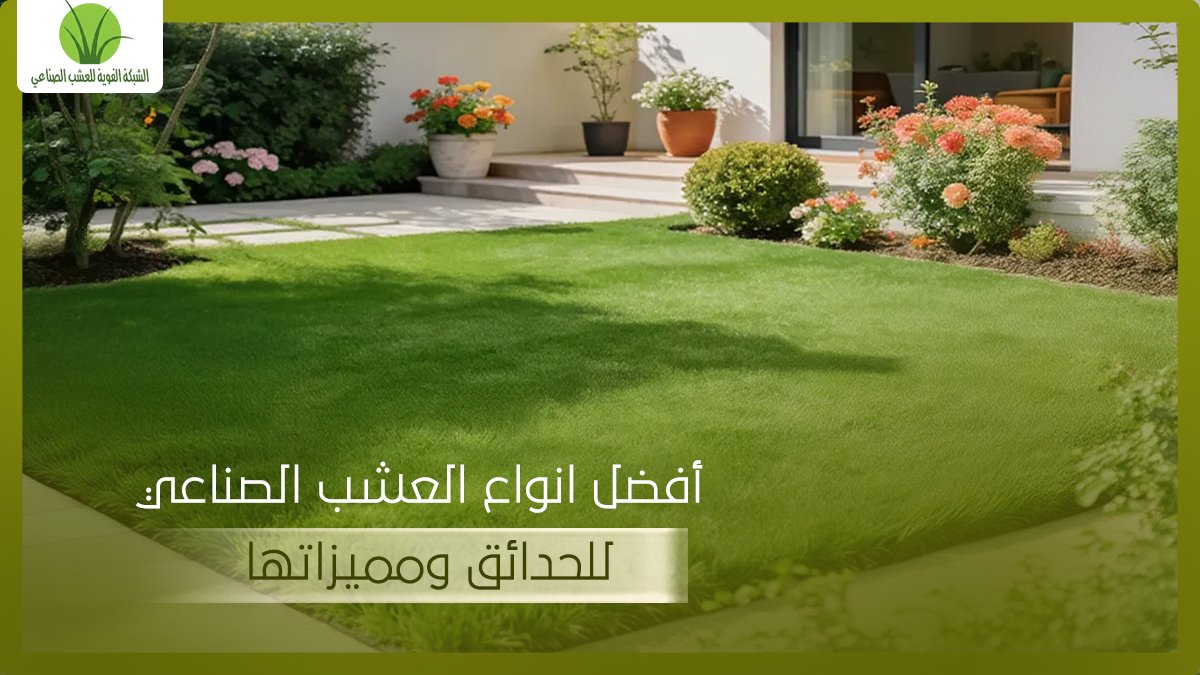
The charm of nature and vibrant green landscapes remains an essential desire for anyone seeking a relaxing and beautiful outdoor space. Choosing the best types of natural grass for gardens is not only about appearance, but also about the grass’s ability to withstand heat, water salinity, and maintenance costs.
Popular options include Bermuda grass, known for its durability, Paspalum grass, ideal for coastal climates, and St. Augustine grass, which performs well in moderate climates. In this article, we explore the differences between these grass types and how to choose the most suitable one for your space.
What Are the Best Types of Natural Grass for Gardens?
When planning a green lawn, soil conditions and surrounding climate must be carefully considered. At Alshabaka Sports, we help clients choose the right solution—whether natural grass or alternatives such as artificial turf for sports fields—to ensure long-term sustainability.
The table below highlights the main differences between common natural grass types.
| Grass Type | Key Features | Ideal Environment |
|---|---|---|
| Bermuda Grass | Dense growth, fast spreading, highly durable | Sports fields, high-traffic public gardens |
| Paspalum Grass | Deep green color, very soft texture, salt tolerant | Coastal areas, golf courses, beach villas |
| St. Augustine Grass | Broad leaves, tolerant of partial shade | Residential gardens with large trees |
The Most Popular Types of Natural Grass for Gardens
1. Bermuda Grass
Bermuda grass is one of the most widely used types of natural grass for gardens, especially in hot climates.
Advantages:
-
Deep root system helps it survive short drought periods.
-
Exceptional ability to recover from heavy foot traffic and sports activities.
Disadvantages:
-
Requires full sunlight for optimal growth.
-
Performs poorly in shaded areas.
2. Paspalum Grass
If you live in a coastal city, Paspalum grass may be the best choice among types of natural grass for gardens.
Advantages:
-
Beautiful vibrant green color.
-
Highly tolerant to saline irrigation water.
Disadvantages:
-
Higher initial installation cost.
-
Requires precise fertilization to maintain its color and health.
3. Traditional St. Augustine Grass
This grass is commonly found in older residential communities and is known for its classic appearance.
Advantages:
-
Forms a thick green carpet that effectively suppresses weeds.
-
Comfortable for sitting and relaxation.
Disadvantages:
-
Requires large amounts of water.
-
Susceptible to fungal diseases if drainage is poor.
When Should You Choose Natural Grass vs Artificial Grass?
This is one of the most common questions in landscape design projects. The decision depends on several factors.
Operational Budget
Natural grass requires daily irrigation, monthly fertilization, and regular mowing. If you prefer minimal maintenance costs, artificial grass for gardens is often the better solution.
Location and Sun Exposure
In shaded areas such as covered entrances or rooftops, natural grass cannot grow properly. Artificial turf becomes the only practical option.
Usage
If the space is designed for children’s play areas, artificial grass combined with safe playground flooring provides better hygiene and protection. Natural grass is more suitable for large open landscapes intended for cooling and aesthetic purposes.
How to Care for Natural Grass
Maintaining healthy natural grass requires a structured maintenance routine.
Proper Irrigation
Watering should be done early in the morning or before sunset to minimize evaporation and prevent leaf burn.
Soil Aeration
Periodic soil aeration allows oxygen to reach the roots, which is especially important for Bermuda grass.
Fertilization
Using balanced nitrogen-rich fertilizers helps maintain vibrant color and strong growth.
Mowing
Never cut more than one-third of the grass blade length at a time to maintain plant health.
If these maintenance requirements seem demanding, Alshabaka Sports offers high-quality alternatives, including artificial landscaping solutions and specialized outdoor training areas using gym rubber flooring alongside artificial green spaces that closely resemble natural grass.
Challenges of Growing Natural Grass in the Region
Natural grass cultivation faces several challenges, including:
Soil Quality
Much of the regional soil is sandy or calcareous, which requires replacing the top layer with fertile agricultural soil.
Pests and Insects
Natural grass can attract termites and insects, requiring periodic pesticide treatments.
Winter Dormancy
Some types of natural grass for gardens enter dormancy during cold seasons, turning yellow temporarily.
In contrast, artificial grass remains green all year round, does not attract insects, and requires minimal maintenance.
Conclusion
Choosing among different types of natural grass for gardens is often an emotional decision for nature lovers, but it requires significant time and financial commitment.
If you prefer the beauty of greenery with minimal maintenance, modern artificial solutions offer a smart alternative for 2026.
Still unsure whether to choose natural or artificial grass?
Contact the Alshabaka Sports team today for a free consultation to help you select the best option for your garden and budget.