Selecting the right flooring when designing and equipping sports halls is the cornerstone of a project’s success and long-term sustainability. In sports facilities, flooring is not merely a walking surface—it is an engineered system that directly impacts athlete performance and safety.
The ideal selection criteria include:
-
Shock absorption of no less than 35%
-
A friction coefficient that prevents slipping
-
Noise and vibration insulation from heavy weights
-
Easy sanitization to ensure a hygienic environment
In this guide, we explore the technical details and differences between flooring types to help you create a professional facility that achieves the highest satisfaction levels.
How to Choose the Right Type for Your Project
Choosing sports hall flooring is not just about appearance—it depends on the type of exercises performed daily. Each activity requires flooring that can withstand its movement patterns, weight loads, and usage intensity.
For example:
-
Foam flooring is ideal for light exercises such as yoga and stretching, but it does not withstand heavy weights over long periods.
-
Rubber flooring is extremely durable and perfect for weightlifting zones, yet it may not be ideal for courts requiring high-speed movement and precise ball rebound.
The best solution is smart space zoning—assigning the appropriate flooring type to each activity area.
Simply follow these steps:
-
Define the type of exercises in each zone.
-
Evaluate weight loads and movement intensity.
-
Use rubber flooring for heavy-weight areas.
-
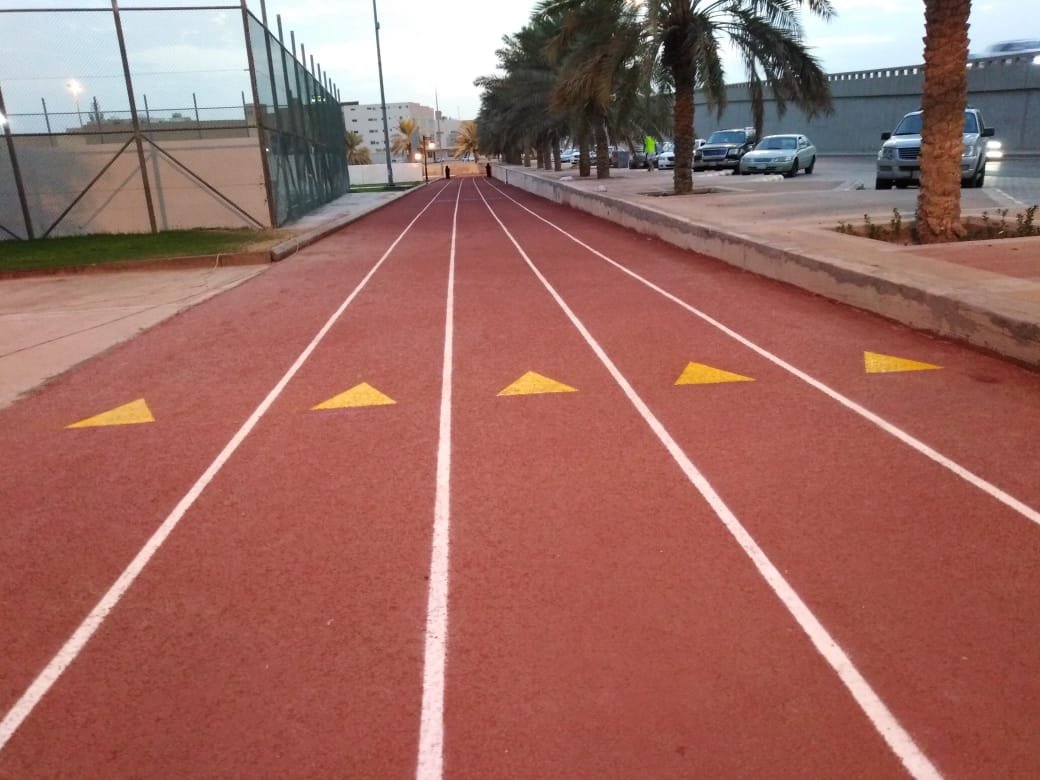
Choose acrylic flooring for multi-purpose courts.
-
Allocate foam flooring for yoga and floor exercises.
-
Avoid using a single flooring type if activities vary.
Professional Sports Flooring Selection Standards
Before supplying or installing flooring in sports halls, ensure five essential technical criteria are met:
1. Shock Absorption
The flooring must absorb impact energy efficiently to reduce stress on athletes’ joints and prevent knee and back injuries.
2. Slip Resistance & Stability
Provides secure footing during rapid movements, jumps, and sudden directional changes—critical for all sports facilities.
3. Sound & Vibration Insulation
Especially important in halls with heavy weights or facilities located inside commercial centers or upper floors to prevent noise transmission.
4. Easy Cleaning & Bacterial Resistance
Sports environments are exposed to sweat and moisture; therefore, flooring should be non-porous and resistant to fungal growth to maintain hygiene.
5. Controlled Vertical Deformation
Refers to how much the floor compresses under pressure. It should provide comfort without hindering fast athletic movement.
Types of Sports Hall Flooring & Their Advantages
1. Rubber Flooring
Rubber flooring is the primary and most durable option in sports halls dedicated to weightlifting and intense CrossFit training. Manufactured from high-density materials, it withstands dropped weights and protects the concrete subfloor from cracking.
When to use it:
Free-weight zones, large commercial gyms, and high-traffic corridors.
Advantages:
-
Lifespan exceeding 10 years
-
Superior sound dampening
-
Flexibility that protects equipment from damage
2. EVA Foam Flooring
Foam flooring is lightweight and soft, making it ideal for sports halls that involve direct body contact with the floor.
When to use it:
Yoga studios, martial arts centers, and floor exercise areas.
Advantages:
-
Maximum fall protection
-
Easy installation with interlocking systems
-
Budget-friendly
It is also commonly used in children’s play areas to ensure the highest safety standards.
3. Acrylic Flooring
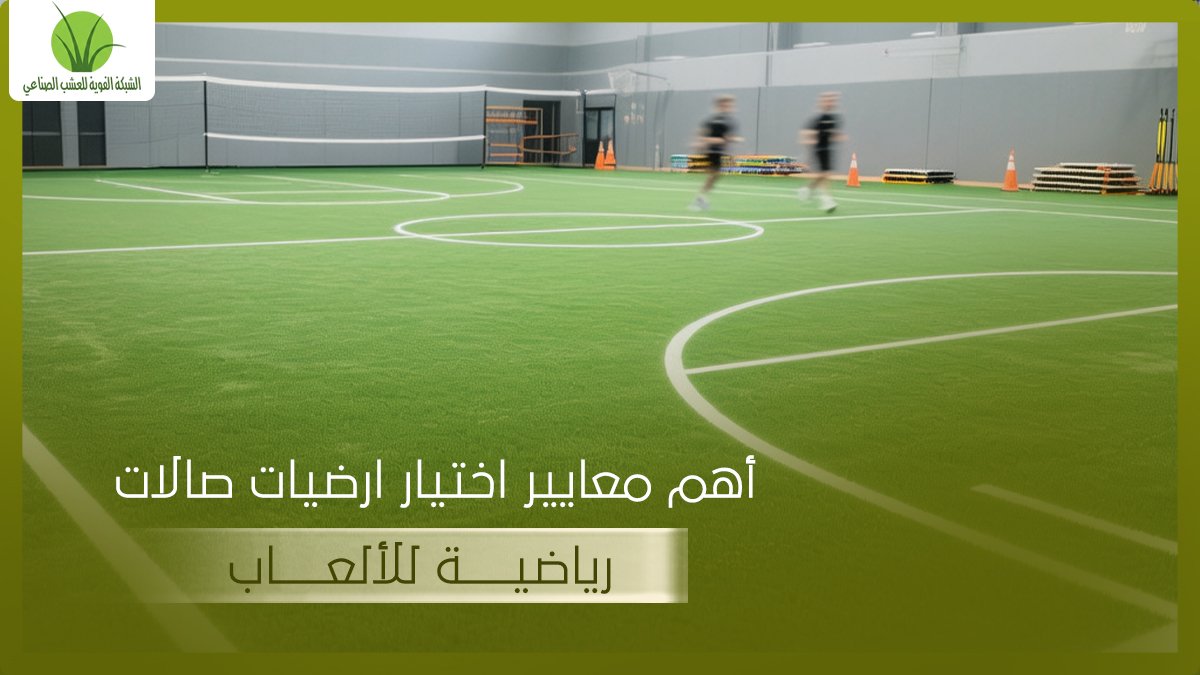
When speed, precision, and vibrant colors matter, acrylic flooring becomes the ideal engineering solution for modern multi-purpose indoor courts.
When to use it:
Indoor basketball, volleyball, and table tennis courts.
Advantages:
-
Excellent ball rebound performance
-
High friction resistance
-
Professional aesthetic with multiple color options
Sustainability & Routine Maintenance
One overlooked factor when establishing sports halls is material sustainability. The flooring solutions provided by Al Shabaka Sports are manufactured from environmentally friendly materials free from harmful compounds, ensuring clean indoor air quality.
Maintenance does not require intensive effort. Routine cleaning with neutral detergents preserves performance for years without replacement, reducing long-term operational costs.
Why Is Al Shabaka Sports Your Ideal Partner?
We believe equipping sports halls is a journey that begins with proper consultation. We do not merely supply products—we assess the condition of the concrete base and recommend solutions tailored to your budget and aspirations.
Our extensive experience in executing major sports projects across the Kingdom guarantees installation quality and real warranties that protect your investment.
Conclusion
The success and distinction of any sports hall begins with attention to the details beneath athletes’ feet. Choosing the right flooring—rubber, foam, or acrylic—based on scientific standards and activity type ensures optimal athletic performance and maximum safety.
Are you ready to equip your sports hall to international standards?
Contact the experts at Al Shabaka Sports today for a technical study and a comprehensive flooring proposal at competitive prices and premium execution quality for your next project.