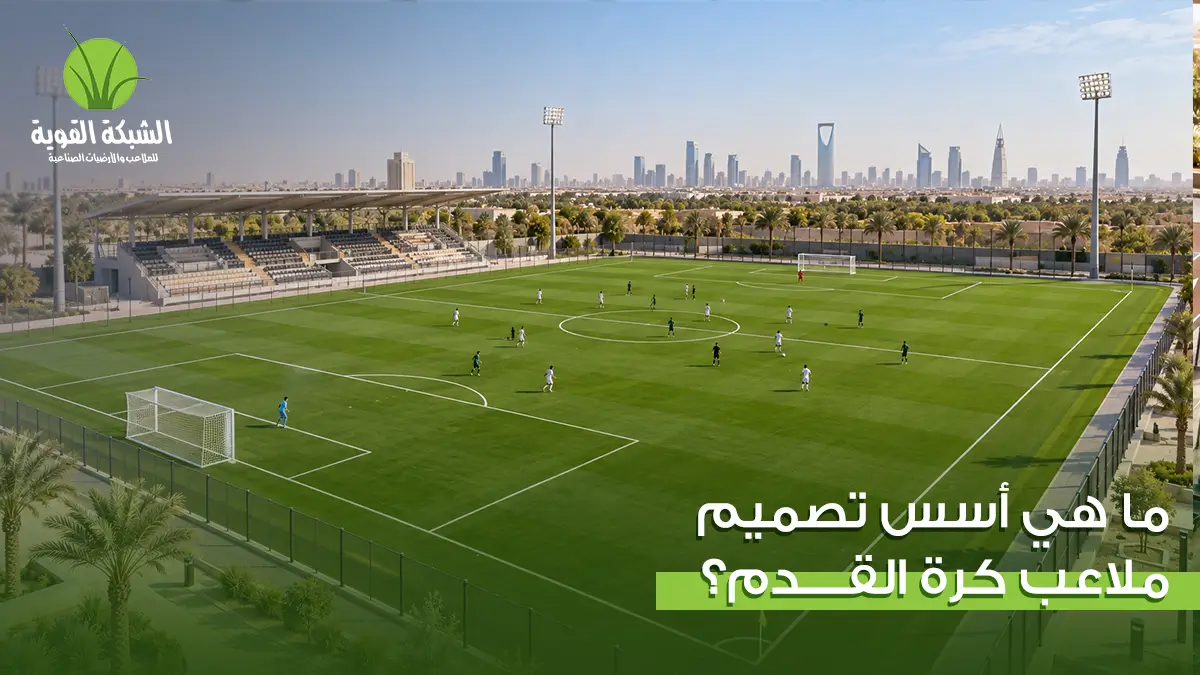
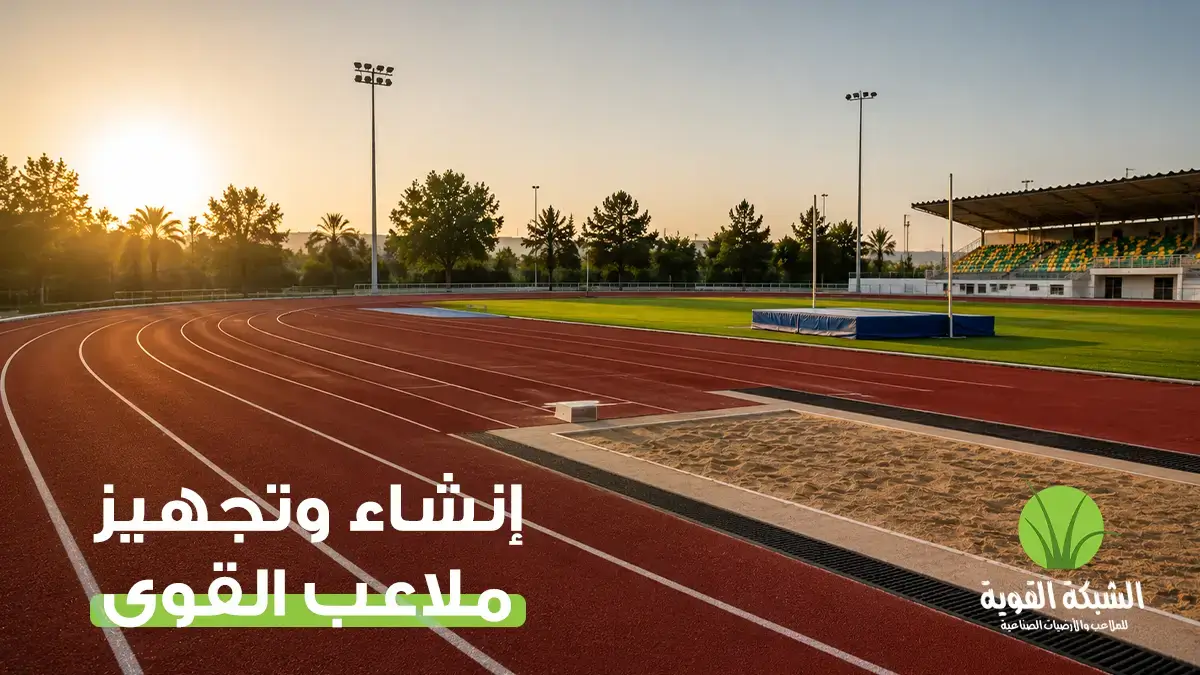
School sports fields are no longer just spaces for recreation or physical activities between classes. Today, they have become an essential part of the modern educational environment, helping schools provide safe, practical, and durable sports spaces capable of handling intensive daily use without high maintenance costs.
That’s why the benefits of building artificial turf school fields have become a major focus for schools and educational institutions, especially with the advancement of modern sports flooring systems that combine safety, durability, and professional appearance.
As sports activities continue to expand in schools, artificial turf has become a practical solution that helps create a high-quality sports environment for students throughout the year.
Why Are Modern Schools Choosing Artificial Turf?
Schools often face several challenges when building sports fields, including:
- Heavy daily usage
- High maintenance costs
- Water consumption
- Weather-related surface damage
- The need for year-round operation
This is where the benefits of artificial turf school fields become clear, offering the perfect balance between quality, cost-efficiency, and long-term sustainability.
Artificial turf systems are also suitable for a wide variety of school sports activities and multi-use educational spaces.
Main Benefits of Building Artificial Turf Fields in Schools
Lower Maintenance Costs
One of the biggest advantages of artificial turf school fields is the significant reduction in maintenance costs compared to natural grass.
Artificial turf does not require:
- Constant watering
- Regular mowing
- Fertilizers
- Replanting
- Soil damage repair
This helps schools reduce operational expenses over the long term.
Using premium turf systems also improves field durability and daily performance, helping schools maintain efficient sports facilities for years.
Ability to Withstand Intensive Daily Use
School sports fields experience constant pressure due to:
- Physical education classes
- Student activities
- School tournaments
- Break-time usage
For this reason, artificial turf is one of the best solutions for handling repeated use without rapid deterioration or surface gaps.
Many modern schools also rely on structured maintenance systems to preserve the long-term quality of their sports facilities.
Safer Environment for Students
One of the main reasons artificial turf has become widely used in schools is its ability to reduce injuries caused by falls or slipping.
Modern systems include:
- Shock-absorbing layers
- More balanced playing surfaces
- Slip-resistant materials
- Better flexibility during movement
This creates a safer sports environment for students of different age groups.
How Does Artificial Turf Improve Sports Activities in Schools?
Sports flooring plays a major role in improving the athletic experience for students.
With a professionally designed field, schools can:
- Organize tournaments more effectively
- Encourage physical activity among students
- Use the field for multiple activities
- Improve the overall appearance of the educational facility
Modern sports fields also allow schools to maximize the use of their available outdoor spaces more efficiently.
What Makes the Best Artificial Turf for Schools?
Choosing the best artificial turf for schools depends on more than appearance alone. Several important factors must be considered, including:
- Durability
- Surface softness
- Heat resistance
- Easy cleaning
- Drainage quality
- Long lifespan
Different materials are selected depending on the school type, number of users, and sports activities.
Choosing high-quality artificial turf also helps reduce maintenance issues and preserve field quality for years.
Does Artificial Turf Improve the School’s Overall Appearance?
Absolutely. Modern sports fields have become part of the visual identity of educational institutions.
Schools with modern and organized sports facilities create a stronger impression of:
- Student care and well-being
- High-quality infrastructure
- Modern educational standards
- Support for sports activities
Well-designed sports spaces also enhance the overall campus environment and create a more professional educational image.
How to Choose a Reliable Sports Field Contractor for Schools
The success of a school sports field project depends not only on the turf type, but on the quality of execution as a whole.
Schools typically look for contractors experienced in:
- Educational sports facility construction
- Sports flooring installation
- Safety and protection systems
- Lighting and drainage solutions
- Long-term maintenance services
In many modern projects, Al-Shabaka Sport has become one of the trusted names schools rely on thanks to its focus on:
- High-quality materials
- Professional school-friendly execution
- Advanced safety systems
- Durability under daily use
- Reduced operating and maintenance costs
This helps educational institutions create safe, practical, and long-lasting sports environments.
FAQ
What are the main benefits of building artificial turf school fields?
Lower maintenance costs, improved safety, and the ability to withstand heavy daily use.
Is artificial turf suitable for all schools?
Yes, especially schools with regular sports activities or multi-purpose outdoor spaces.
What is the best artificial turf for schools?
The best systems combine durability, safety, and easy maintenance.
Does artificial turf help reduce water consumption?
Yes, because it does not require continuous irrigation like natural grass.
Can school sports fields be used for multiple activities?
Absolutely. They can be designed for football and many other sports activities.
Build a Professional Artificial Turf School Field
If you are looking to create a school sports field that combines safety, durability, and long-term operational efficiency, Al-Shabaka Sport provides complete solutions for educational sports facilities using advanced artificial turf systems designed for intensive academic and athletic use.
Contact Al-Shabaka Sport today and start upgrading your sports facility with professional standards built to last for years.