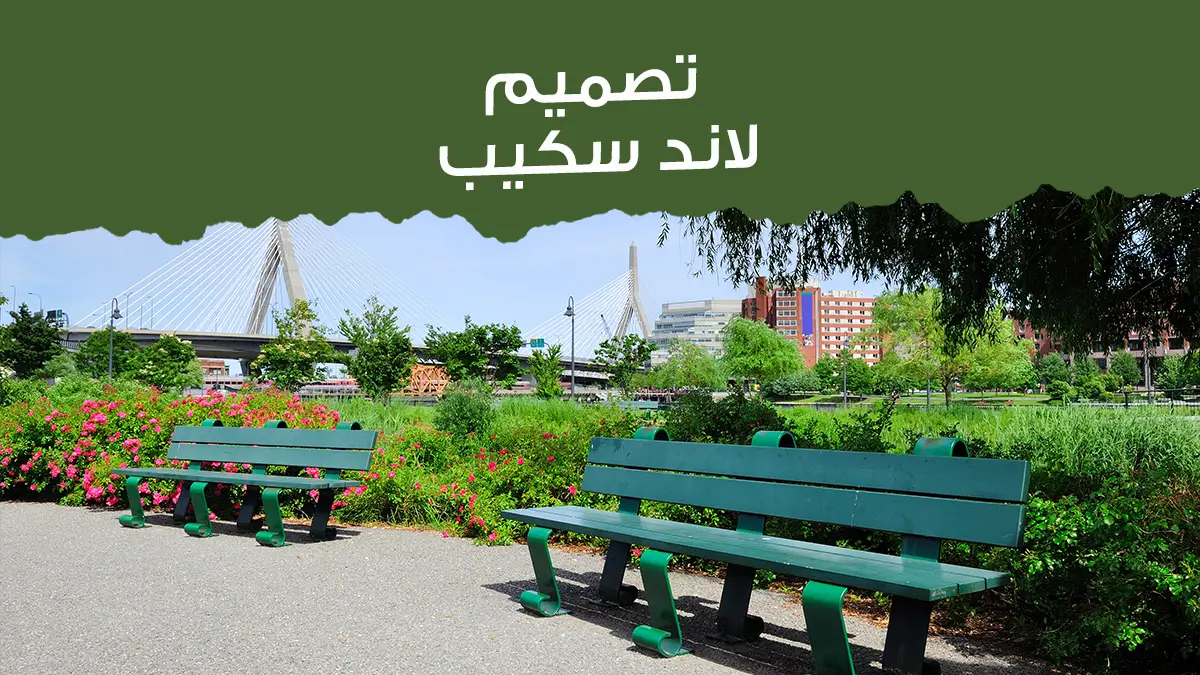
A successful landscape design is the cornerstone of transforming static outdoor spaces into vibrant, sustainable ecosystems that balance luxury with architectural utility. Beyond aesthetics, professional landscape design integrates smart engineering to manage storm drainage and reduce the "heat island" effect around buildings. This significantly lowers energy costs and serves as a high-yield strategic investment that boosts property market value.
The Foundations of Technical Excellence in Home Landscaping
Superior landscaping thrives on the intelligent utilization of every square meter to create a flow of comfort and movement. Achieving elite home landscaping depends on three technical pillars:
- Privacy Engineering: Strategically placing high-density screening trees to ensure absolute seclusion within your property boundaries.
- Thermal Mapping: Positioning pergolas and seating areas based on peak sun angles to ensure the garden remains usable and cool all day long.
- Smart Infrastructure: Installing subterranean irrigation networks with automated timers to sustain home landscaping with zero manual effort.
Smart Integration for Luxury Estates and Commercial Complexes
For expansive projects, experts focus on the delicate equilibrium between Hardscape (structural elements) and Softscape (living vegetation). Elite landscaping is defined by:
- Cinematic Lighting: Moisture-resistant LED systems that accentuate architectural features and greenery, creating an enchanting evening ambiance.
- Acoustic Insulation: Utilizing dense "living walls" as natural sound barriers to neutralize external noise and dust.
- Innovative Water Features: Custom-built waterfalls and fountains with closed-loop recycling systems that enhance humidity and visual prestige in professional landscaping.
Engineering Precision and the Lifecycle of Landscape Design
The surveying phase is the most critical step in landscape design, ensuring that levels, water zones, and pathways are executed with surgical precision. Any flaw in this blueprint can lead to water logging or structural damage; thus, relying on a technically sound landscape design is your primary defense against moisture risks. A professional designer also selects soil-adaptive native flora to keep the landscape design lush year-round with minimal overhead.
Innovation in Modern Landscape Projects
Outdoor architectural solutions are evolving rapidly. Modern landscape projects now utilize digital irrigation technologies linked to moisture sensors. Integrating these tools into your landscape design offers:
- Resource Conservation: Reducing water waste by up to 50% by delivering precise hydration based on real-time soil needs.
- Digital Remote Control: Managing lighting, irrigation, and fountains seamlessly via mobile applications.
- Eco-Sustainability: Choosing treated soils that support deep root growth without interfering with electrical conduits within the landscape design.
Sustainability and Material Quality in Landscape Design
The longevity of any landscape design hinges on the quality of its "bones"—from Bitumen waterproofing for planters to non-slip, weather-resistant flooring. These invisible technical details give a landscape design its true value over time. High-grade materials ensure the structure remains resilient against harsh climates, minimizing maintenance costs and guaranteeing a premium, sustainable living experience.
FAQ
What is the first practical step in landscape execution?
The process begins with a precise topographic survey and soil analysis. This determines the exact drainage points and identifies plant species that will thrive in your specific micro-climate without the risk of failure.
How do you protect building walls from moisture and salinity?
We implement a dual-layer waterproofing system for planters adjacent to buildings, combined with a 1% slope gradient in flooring to direct excess water toward specialized drainage outlets.
Can I implement "Roof Gardens" and what are the requirements?
Yes, often called "Hanging Gardens," these require a structural load assessment, the use of lightweight "Peat Moss" soil, and high-performance waterproofing membranes to prevent any leakage to lower floors.
Your Vision, Engineered to Perfection
Transforming your outdoor space into a lush sanctuary requires a rare blend of refined taste and engineering rigor. Investing in a comprehensive landscape design is your guarantee of a space that marries sustainability with beauty, providing your family with a natural retreat that enhances your property’s value for decades.
For a technical site inspection and a professional Landscape design, contact Al-Shabaka Sports today.